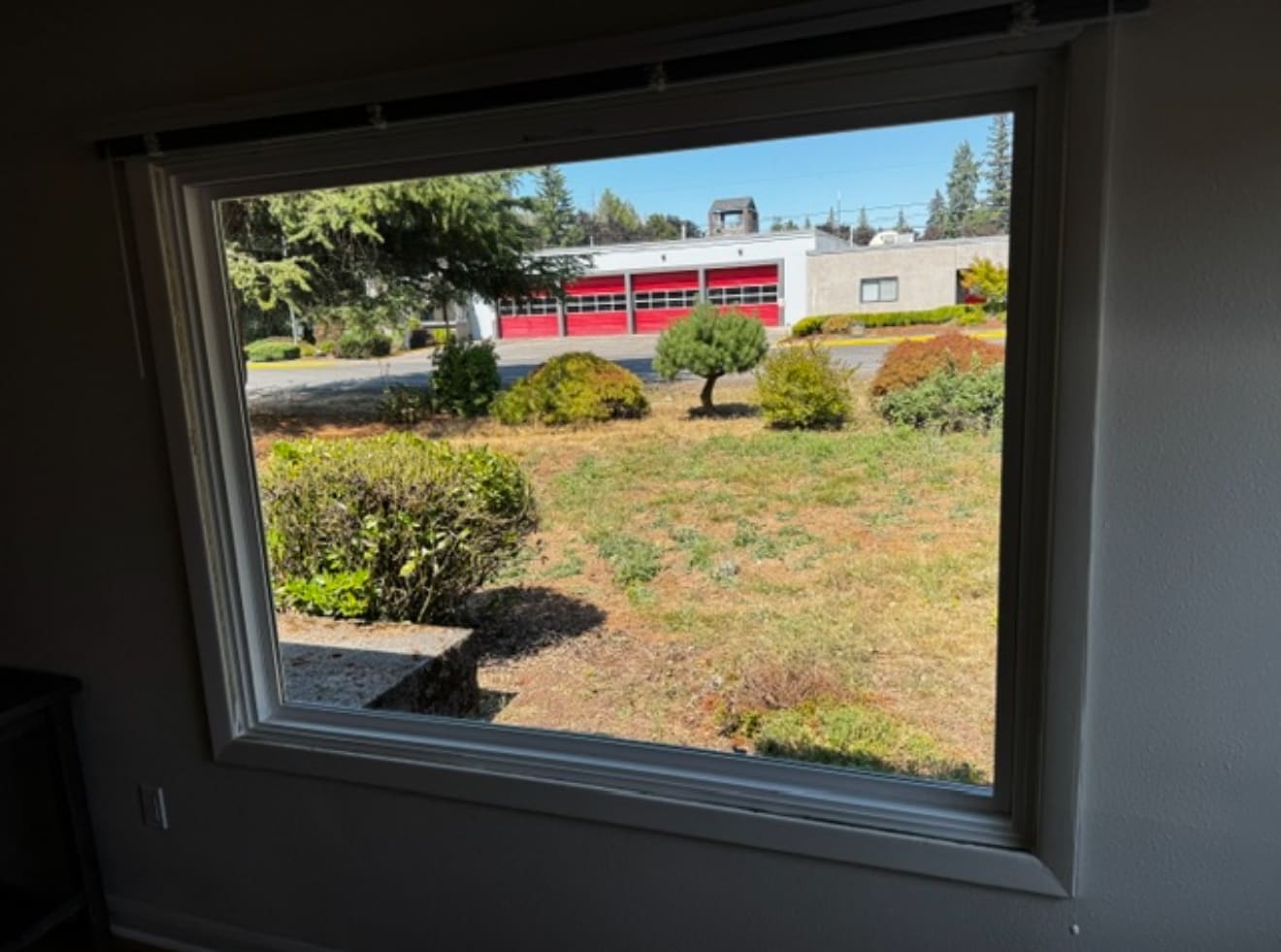
Window replacement cost in Portland is not a single number, and any contractor who gives you one over the phone is guessing. The price is set by a handful of real things: the type of window, the frame material, the glass package inside it, how many windows you are doing at once, and whether the crew sets a new insert into your existing frame or tears back to the studs for a full-frame install. Get those five straight and the number stops being a mystery.
This is a plain breakdown of what moves the price, written by a crew that installs windows across the Portland metro and Southwest Washington every week. It is not a quote. When you are ready for a real number on your own house, our Portland window replacement page lays out how we work and how to get a free written estimate. Below is what to understand before anyone measures a thing.
Want a real number for your own house? Ask for a free written estimate.
The Five Things That Set a Replacement Window's Cost
The short answer: replacement window cost is set by the window type, the frame material, the glass package, how many windows you do at once, and whether it is an insert or a full-frame install. Everything else on a quote is a version of one of those five. Once you can see them, you can read your own estimate and know exactly why one line is higher than another.
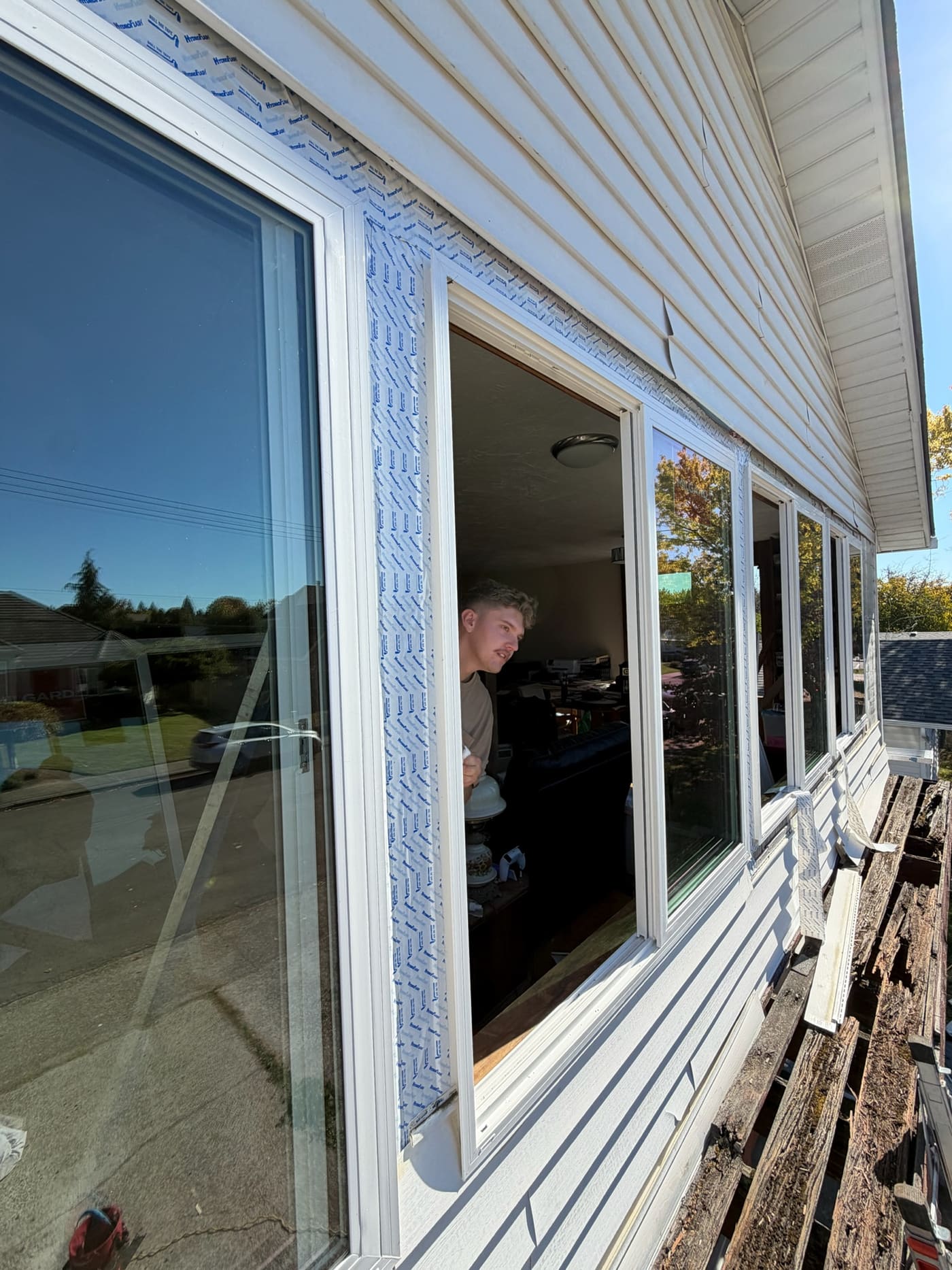
- The window type. A standard double-hung or slider is the baseline. A casement, a bay or bow, a large picture window, or a code-required egress window all cost more, because they use more material, more glass, or more labor to set.
- The frame material. Vinyl, fiberglass, wood, and aluminum are not priced the same and do not perform the same. This is usually the single biggest swing on the quote.
- The glass package. Double pane versus triple pane, the Low-E coating, and the gas fill between the panes all change both the price and the energy performance.
- How many windows. Doing a whole house at once is cheaper per window than doing one, because the crew mobilizes, measures, and sets up once instead of many times.
- Insert versus full-frame install. Setting a new unit into a sound existing frame is the faster, lower-cost path. A full-frame replacement, down to the rough opening, costs more but is the right call when the old frame is rotted or being changed in size.
Window Type: Why a Casement Costs More Than a Slider
The shape and the way a window opens drive how much material and labor it takes. A single-hung or double-hung window and a horizontal slider are the workhorses and sit at the bottom of the range. A casement, which cranks open on a hinge, seals tightly and costs more for the hardware and the sash. Bay and bow windows are the most involved, because they project out from the wall and are really several windows joined into one assembly that has to be supported and flashed as a unit.
A picture window is a large fixed pane with no moving parts. The unit itself can be simple, but the sheer size of the glass and the labor to set a large, heavy unit safely push the number up. Egress windows, which a bedroom or a finished basement needs to meet code for escape and rescue, often mean enlarging the opening and sometimes cutting into a foundation, which is a bigger job than a straight swap.
Frame Material: Where the Biggest Price Swing Lives
The frame is usually the line that moves your quote the most, and it is a real trade between up-front price and how the window performs and lasts in a wet climate.
| Frame | What you are paying for | Where it fits |
|---|---|---|
| Vinyl | Lowest up-front, good insulation, no painting | The default for most Northwest replacement jobs |
| Fiberglass | Stronger and more stable than vinyl, holds paint, higher cost | A step up when you want longevity and a slim frame |
| Wood | Warm look, strong insulator, needs upkeep and can rot if neglected | Historic homes and owners who want a real wood interior |
| Aluminum | Strong and slim but conducts cold, prone to condensation here | Rarely the right pick in our damp climate for a home |
For most homes around Portland and Vancouver, vinyl is the value pick and fiberglass is the upgrade. Aluminum conducts cold and tends to sweat in our winters, which is why you rarely see it chosen for a home replacement here anymore.
The Glass Package: Double Pane, Triple Pane, and Low-E
Inside the frame, the glass itself is a real cost lever. Standard replacement windows are double pane, meaning two sheets of glass with a sealed space between them. Triple pane adds a third sheet and more insulation, for a higher price, and earns its keep most on the cold or noisy side of a house.
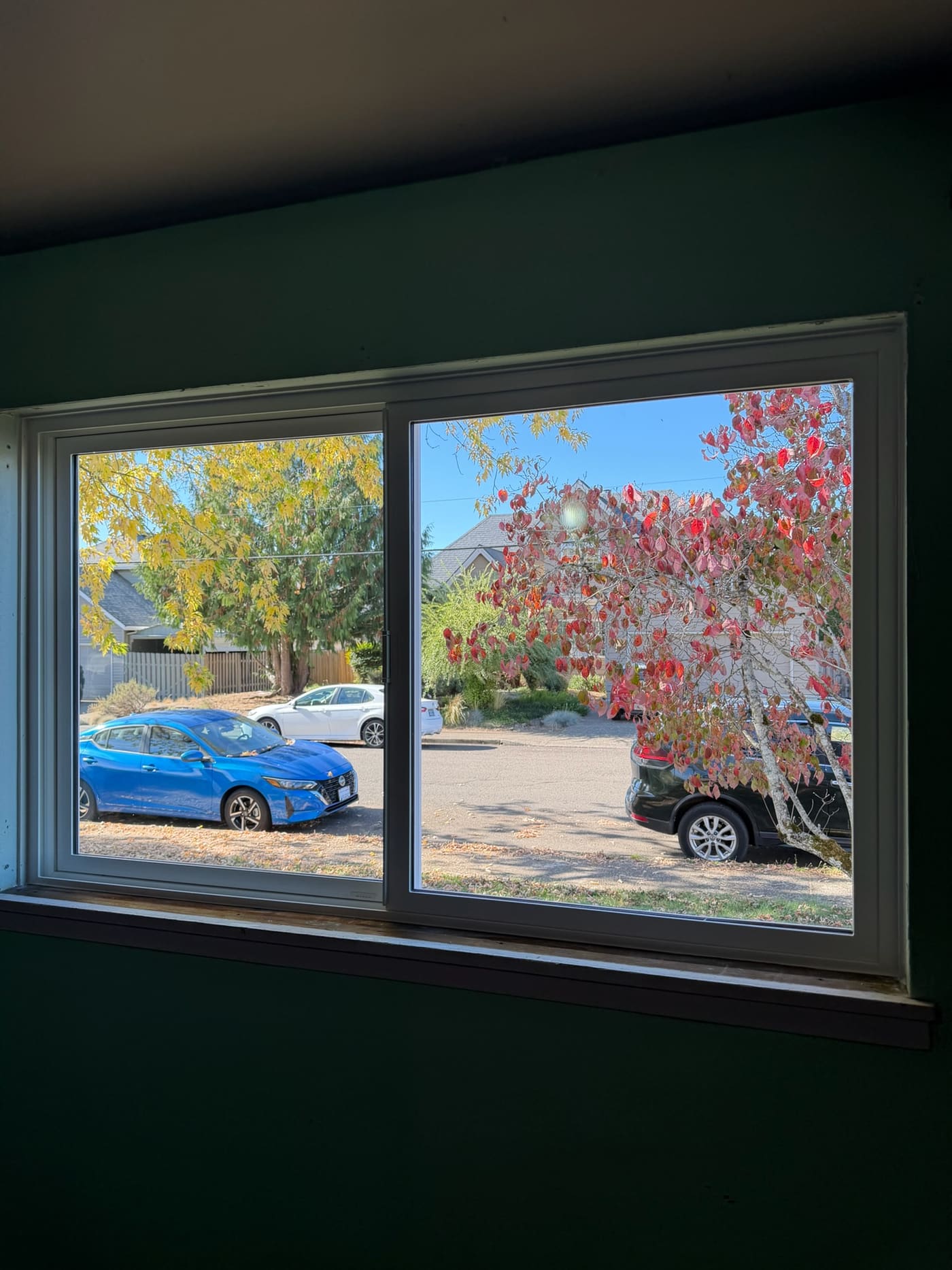
Two features matter more than most people expect. A Low-E coating is a microscopically thin layer that reflects heat back where you want it, and an inert gas fill such as argon in the sealed space slows heat transfer further. The U-factor is the number that tells you how well the whole window keeps heat in: the lower the U-factor, the better the insulation. ENERGY STAR sets the U-factor targets for our northern climate, and hitting them is what separates a window that pays you back on heating from one that just fills the hole.
It is worth being realistic about the payback. Homeowners replacing older or drafty windows with modern double-pane Low-E units typically see energy savings of roughly 5 to 15 percent, which shows up as lower heating bills and steadier comfort rather than an overnight change. In our climate the bigger day-to-day difference is often the end of the winter condensation that runs down old glass.
The glass package is also where an energy upgrade lives, and it is worth understanding before you choose. We cover it in more depth on our guide to energy efficient windows, which walks through Low-E, gas fills, and what the U-factor number actually buys you in a Northwest winter.
Insert Replacement or Full-Frame: The Install Choice That Moves the Number
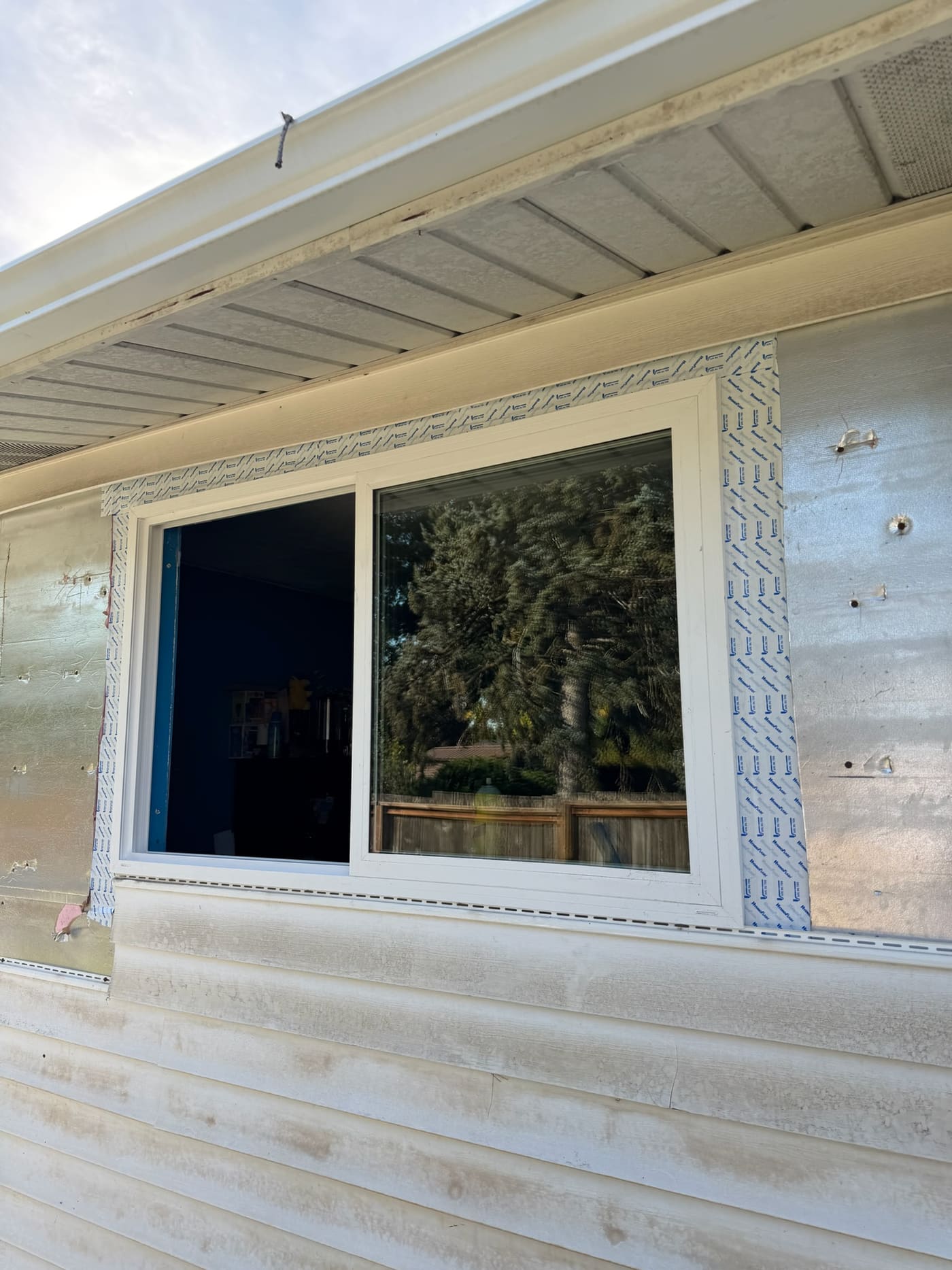
There are two ways to put a new window in, and which one your house needs is a real part of the cost. An insert, sometimes called a pocket or retrofit replacement, sets the new unit inside your existing, sound frame. It is faster, it disturbs less of the wall and trim, and it is the lower-cost path when the old frame is solid.
A full-frame replacement removes everything down to the rough opening in the framing. It costs more and takes longer, but it is the honest answer when the existing frame is rotted, when there is hidden water damage, or when you are changing the size or shape of the window. In the wet Northwest, rot around old wood windows is common enough that a good crew checks for it before promising an insert, because setting a new window over soft framing just hides the problem.
In practice, before we quote an insert we pull the interior stop and press on the sill and the lower jambs, feeling for soft, punky wood. A rotted sill hiding behind a fresh coat of paint is one of the most common things we find on older homes here, and it is exactly the kind of surprise that should be caught at the estimate, not discovered the day the old window comes out.
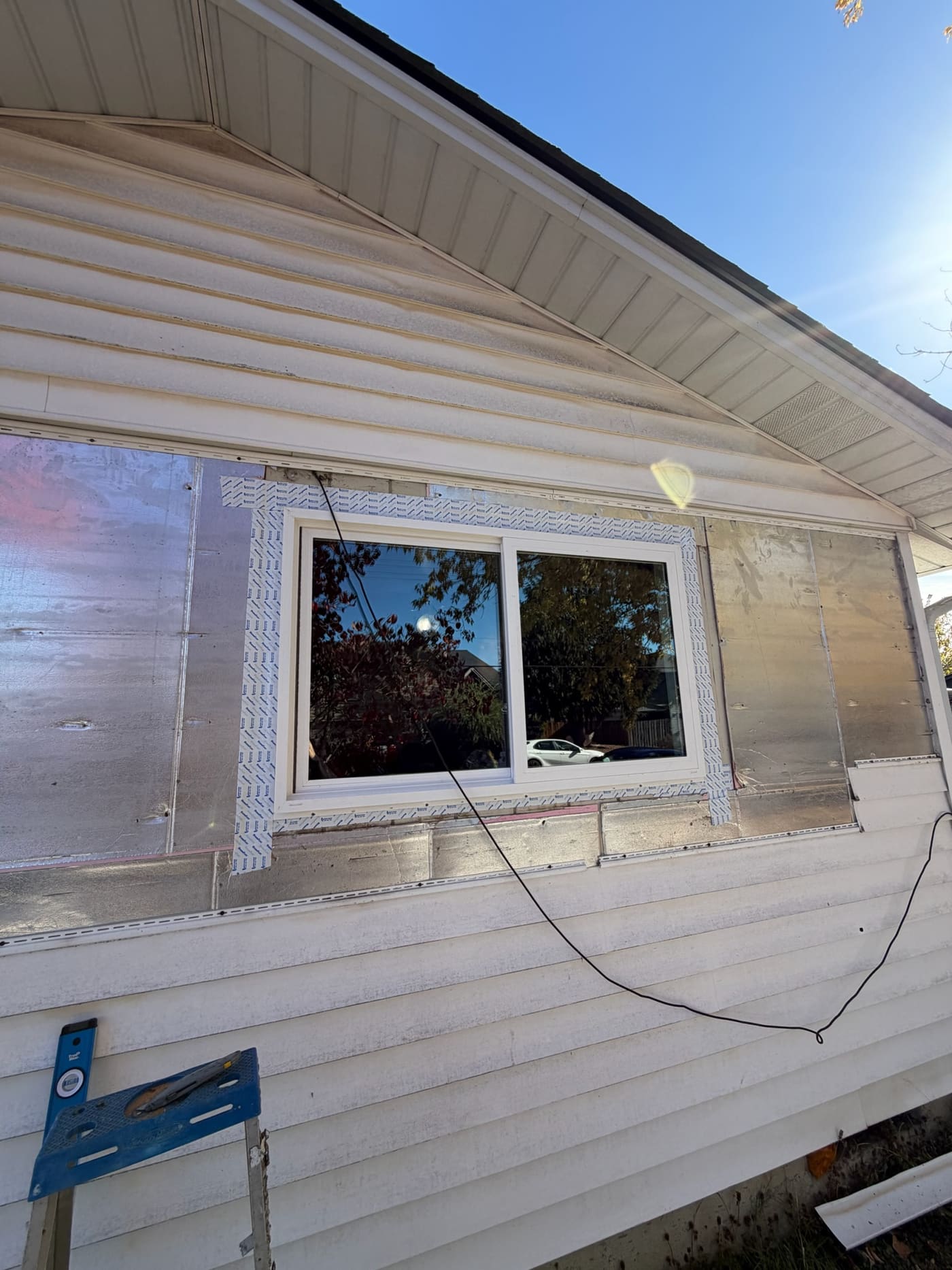
The Windows We Actually Install
We install Milgard windows, in both vinyl and fiberglass, as a factory-certified team. The reason the series name matters is that it is half of what a quote really means. Two companies can both write down vinyl and be quoting very different windows.
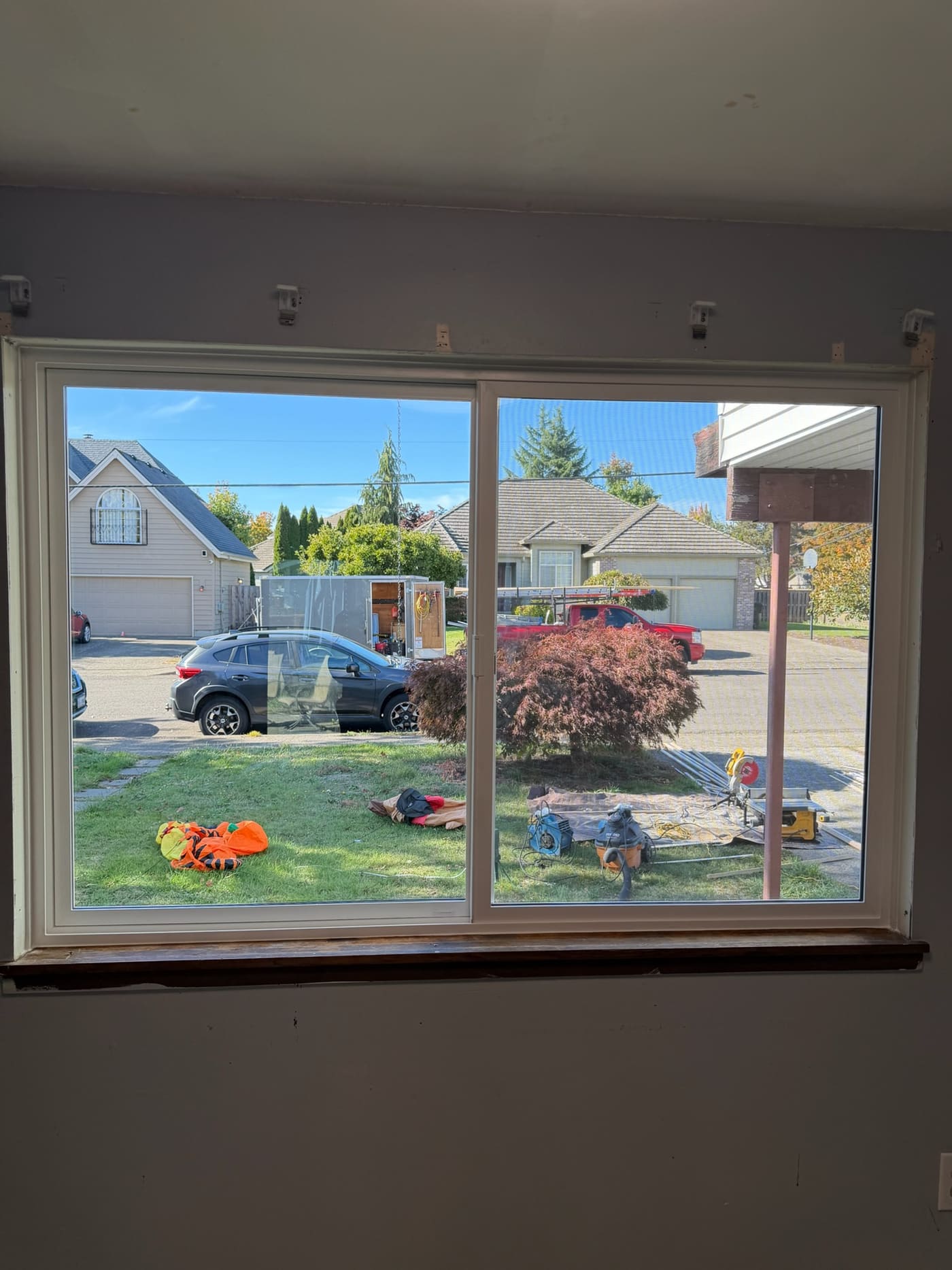
- V250 Style Line, a practical vinyl series with a clean, simple design. It is the value pick for a straightforward replacement.
- V300 Trinsic, a vinyl series with narrow frames and more glass, for a modern look and more daylight.
- V400 Tuscany, a vinyl series with a classic profile and enhanced durability.
- C700, Milgard's fiberglass series, which resists warping and the expansion that vinyl goes through, and holds a slimmer, cleaner frame on larger openings.
When we quote, the exact series and the window count go on paper, not just the word vinyl. That is what lets you compare our number against anyone else line for line, and it is why the frame and glass sections above are what actually move the price.
What Backs the Install
The install is as much of the cost as the window, and it is where the difference between two quotes usually hides. Qualifying window installations and replacements are backed by a Limited Lifetime Warranty that covers both the Milgard product and our work, and you see it in writing before the first window comes out. We flash every opening to the same standard we use on commercial buildings, because in this climate the flashing is what keeps water out of the wall for the life of the window.
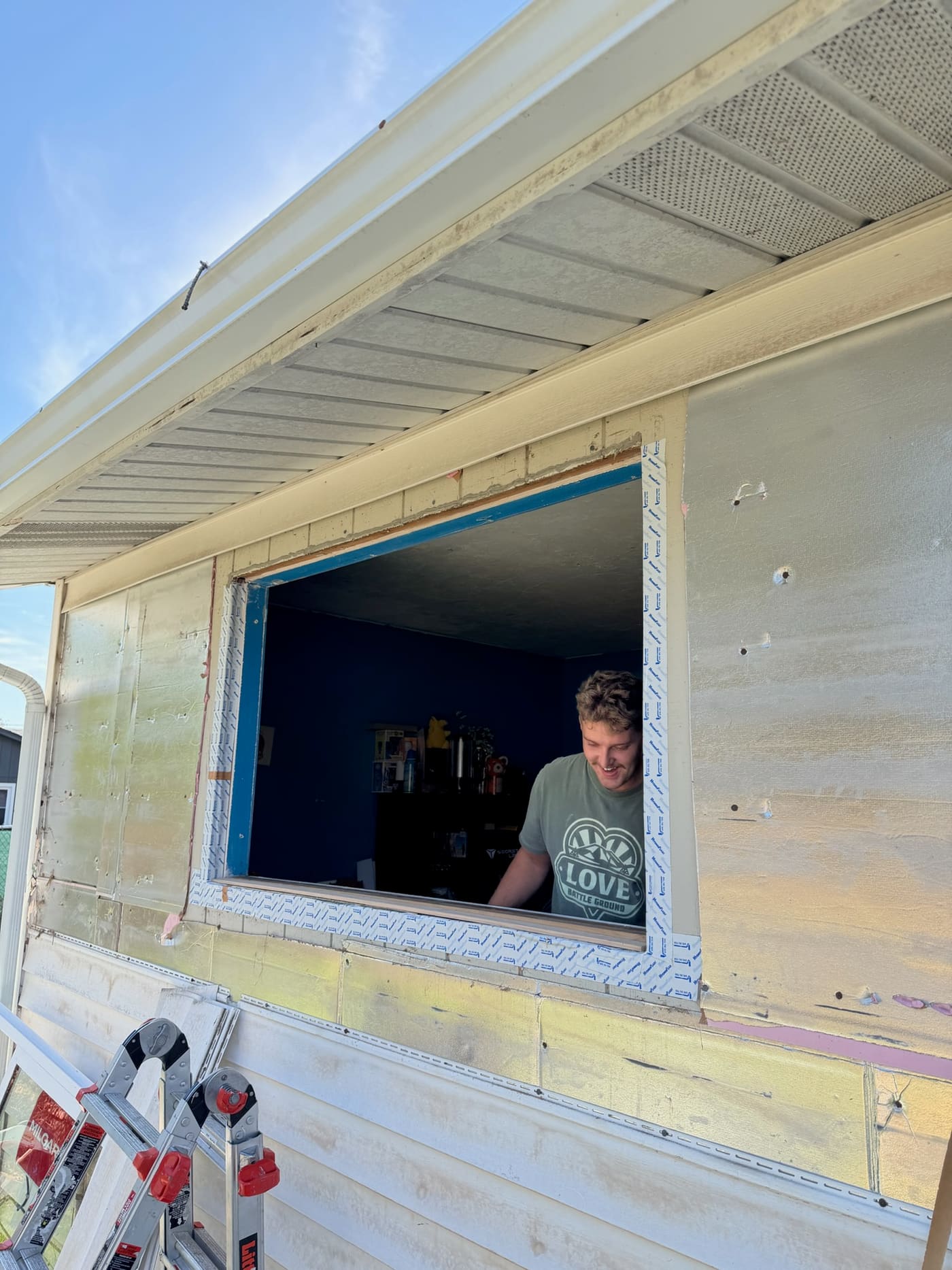
Rot at the sill and the framing is the thing that most often turns a simple swap into a bigger job here. It is the same water problem we deal with on siding and exterior work, and it is why a walk of the house before the quote matters more than a phone number.
Why Northwest Weather Belongs in the Cost Conversation
Our climate is not extreme heat or cold, it is months of damp and gray. That does two things to the window conversation. First, it makes the glass package worth more here than in a mild dry climate, because a good Low-E, gas-filled, low U-factor window cuts both the heating bill and the condensation that fogs cheap windows every winter. Second, it makes the frame material and the install quality matter, because water is patient and finds every gap a rushed install leaves behind.
That is the real reason two quotes for the same house can look so different. A number that only counts the window unit and a number that counts flashing the opening correctly, checking for rot, and hitting the energy targets are not the same number, even when the window on the box is identical.
The climate cuts a little differently on each side of the river, too. If you are across in Washington, our Vancouver WA window replacement page covers the same work for Clark County homes, where the older housing stock means we find sill rot more often than not.
How to Read Your Own Window Quote
- Ask which frame material is quoted, and why. Vinyl and fiberglass are the usual answers here; if it is aluminum, ask why.
- Ask whether the glass is double or triple pane, and what the U-factor is. A lower U-factor is better insulation.
- Ask whether it is an insert or a full-frame install, and what happens if they find rot once the old window is out.
- Ask whether the price covers flashing and finishing the opening, or just setting the unit.
- Get it in writing. A written quote you can compare line for line is worth more than the lowest number said out loud.
Want a real number for your house?
We will walk your home, check the openings for rot, talk through frame and glass options in plain language, and give you a written quote with no pressure.
Licensed and insured. CCB #198186 in Oregon, L&I #EXTERDC884PP in Washington.
Frequently Asked Questions
Is it cheaper to replace all my windows at once?
Per window, yes. The crew measures, mobilizes, and sets up one time instead of coming back for each window, so a whole-house job usually costs less per opening than doing one or two. If the budget does not stretch to the whole house, doing the worst-performing side first, usually the north and the weather side, gets you the most comfort for the money.
Do new windows really lower the energy bill in the Northwest?
A window that hits the ENERGY STAR U-factor target for our climate, with a Low-E coating and a gas fill, cuts heat loss through the glass and reduces the winter condensation that plagues old single-pane and worn double-pane windows. It is not an overnight new furnace, but on the cold and weather sides of a house the difference in comfort is real and it shows up on the heating bill over a season.
What is the difference between an insert and a full-frame replacement?
An insert sets a new window into your existing, sound frame. It is faster and lower cost. A full-frame replacement takes the opening back to the framing and is the right call when the old frame is rotted, water-damaged, or being resized. A good contractor checks the frame before promising you the cheaper insert.
How long do replacement windows last?
A quality vinyl or fiberglass replacement window, installed correctly and flashed against water, is generally expected to last for decades. The install is as important as the unit here, because a good window set into a poorly flashed opening will fail early from water, not from age.
Do you serve my area?
We install windows across the Portland metro and Southwest Washington, including Portland, Gresham, Beaverton, Hillsboro, Tigard, Lake Oswego, Happy Valley, Milwaukie, and Troutdale in Oregon, and Vancouver and Camas in Washington.
Sources
- ENERGY STAR, Residential Windows Key Product Criteria: U-factor performance targets by climate zone, including the Northern zone that covers the Pacific Northwest.
- U.S. Department of Energy, Update or Replace Windows: the roles of frame material, glazing (double vs triple pane), Low-E coatings, and gas fills in window energy performance.
- U.S. Department of Energy, Window Types and Technologies: how window operation type and frame material affect performance and durability.
Gorilla Works proudly serves Portland, Gresham, Beaverton, Hillsboro, Tigard, Lake Oswego, Happy Valley, Milwaukie, Troutdale, Vancouver WA, and Camas WA. Call (971) 343-4964 or request a window estimate.