The Portland & Vancouver Siding Guide
Siding is the part of your home that takes the weather first. In a climate that rains well over a hundred days a year, the siding and the way it is flashed are what keep the wall behind it dry. This guide covers what fails first on a Northwest home, how fiber cement and vinyl really compare, the signs it is time to replace, and how a siding job should be done.
- Built for Pacific Northwest Rain
- Fiber Cement & Vinyl Siding
- Lifetime Warranty on Product & Install

Gorilla Built. Gorilla Strong
Commercial-grade materials and expert installation designed for Northwest weather.

Family-Owned & Local
A local team that treats every home like their own, honest, friendly, and reliable.

Built Right the First Time
Precision craftsmanship that uses only the highest-quality materials, built to last for years.
Backed by 5-star reviews, licensed & insured
Start Here: Siding in a Wet Climate
Most siding does not fail because the material wears out. It fails because water got behind it and could not get back out. The Willamette Valley and Clark County give a wall months of rain at a time, and the weak points are always the same: the seams, the bottom courses near the ground, and the joints around windows and doors. Get those right and siding lasts for decades. Get them wrong and the wall sheathing rots while the siding still looks fine from the street.
This guide is built to walk that reality, not a brochure. When you are ready to talk about your own home, our siding installation page shows how we work, and you can ask for a free written quote any time. For the rest of the exterior, see our window guide and fence guide.
Where Northwest Siding Lets Water In
Siding rarely fails in the middle of a clean wall. It fails at the details, and the details are all about water. These are the four that matter most on a Portland or Vancouver home.
The joints around windows and doors
Water drives into the gaps around openings first. Those joints need real flashing and a weather-resistive barrier behind the siding, not just a bead of caulk. Caulk is the thing that fails; flashing is the thing that lasts.
The bottom courses near grade
The lowest boards sit closest to splashback and standing moisture. Siding needs clearance above the ground and a path for water to drain and dry, or the bottom rots from behind while the face still looks painted.
Seams and butt joints
Every place two boards meet is a place water can enter. How those seams are lapped, backed and sealed is what separates a wall that sheds water from one that wicks it in.
Old or missing house wrap
The weather-resistive barrier behind the siding is the real raincoat. On an older home it is often torn, lapped the wrong way, or missing entirely, which is why a siding replacement is the right time to fix the layer you cannot see once the new siding is on.
Fiber Cement vs Vinyl Siding
These are the two siding materials most Portland homeowners weigh. Both work here when installed right; they just trade off differently.
Fiber cement (James Hardie)
Fiber cement is a dense, cement-based board that does not rot, does not feed mold, and will not become a meal for carpenter ants or woodpeckers. It holds paint for a long time and stands up to the wet-dry cycles that split and cup lesser materials. It is the heavier, more premium option, and it is a strong fit for a Northwest home that is going to see a lot of rain and a lot of years. It is the siding we most often recommend when a homeowner wants to replace once and be done.
Vinyl
Vinyl is the budget-friendly, truly-no-maintenance option. It never needs paint, it shrugs off moisture, and it goes up fast. The tradeoffs are that color is baked in rather than painted, so you live with the shade you choose, and cheaper panels can look thin. For a rental, a flip, or a homeowner who wants the lowest upkeep and the lowest cost, it is a sensible choice.
Not sure which fits your home and budget? Ask for a free written quote and we will lay both options out side by side with the real numbers for your wall.
Signs It Is Time to Replace Your Siding
A few failing boards can be repaired. These are the signs the siding has reached the end and a replacement is the honest fix.
- Paint that fails again within a year or two of a fresh coat
- Boards that are warped, cupped, cracked or soft to the touch
- Soft or spongy spots in the wall, a sign the sheathing behind the siding is wet
- Moisture, musty smell or staining showing up on the inside of an exterior wall
- Daylight, gaps or crumbling caulk at the joints around windows and doors
- Rising heating bills from a wall that has lost its weather barrier
Siding Articles
More siding reading as we add to this guide.
- How Long Does Vinyl Siding LastReal lifespans for vinyl siding and what shortens them in a wet climate.
- Can You Paint Vinyl SidingThe honest answer, the right way to do it, and the mistakes to avoid.
Siding Done for the Long Haul
We fix the layer you cannot see, flash the openings properly, and back both the product and the installation with a lifetime warranty. Tear-out and haul-away of the old siding are included, the crews who do the work are background-checked, and financing options for qualified homeowners make a whole-house job manageable. You get a written price before anything starts.
Get a free written siding quote, or read how we work on the siding installation page.
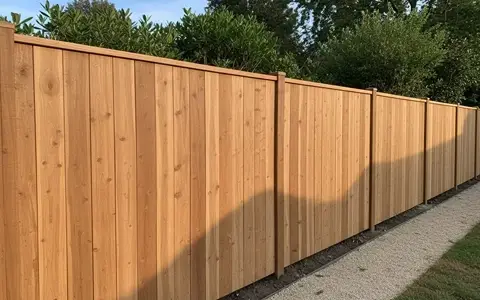
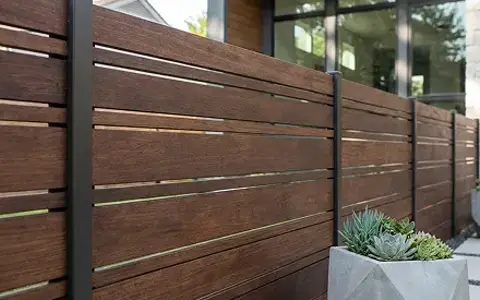
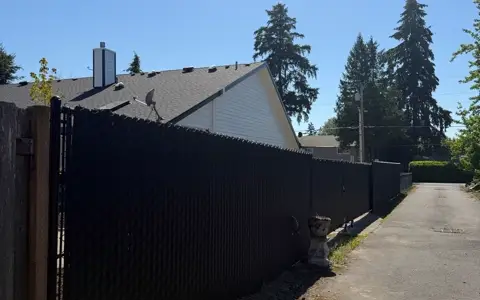
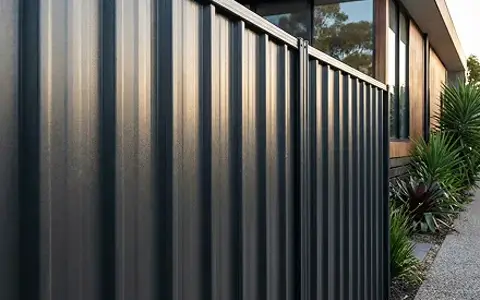
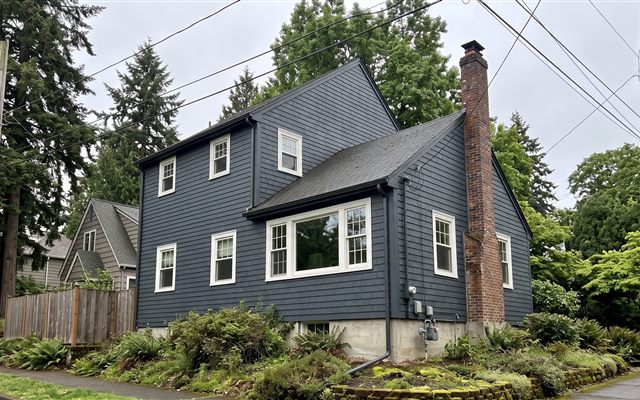
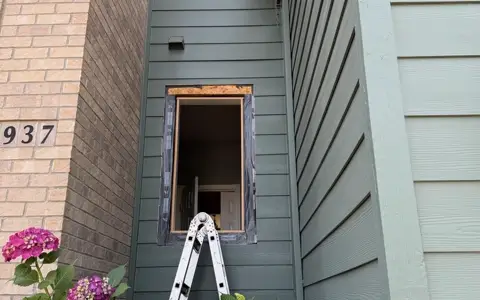
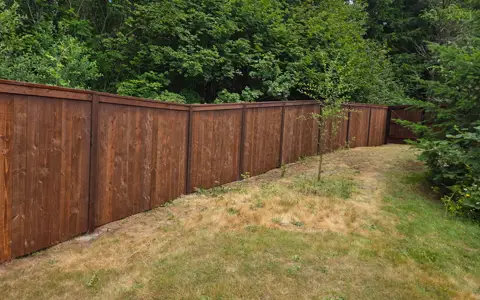
Other Services We Offer in Portland & Vancouver
Trusted by Families Across Portland & Vancouver
From clean installations to long-lasting quality, homeowners choose Gorilla Works because we do things the right way, with honesty, care, and craftsmanship that speaks for itself. Here’s what people are saying about working with our team.
★★★★★ Excellent 4.9 · 89 Google reviews
Great Experience with Gorilla Works. Would give the team 11/10 stars for quality. Professional crews who know what they are doing. Thank you Anton and Alvin!
Amazing business that feels like family! Hard working and always goes to extra mile to make sure their customers are taken care of!
Our newest Google reviews. See all 89 on Google
Ready to Upgrade Your Home’s Exterior?
Strong materials. Clean installations. Honest communication. It all starts with a quick quote.
Get a Free Quote